

Keeping your pet healthy involves more than responding when something seems wrong.
Some of the most important things you can do happen before there is a problem to see.
Parasite prevention is a perfect example.
Fleas, ticks, mosquitoes, heartworms, and intestinal parasites can affect dogs and cats, but exposure does not always come with an obvious warning. A flea may cause noticeable itching, while a tick can hide beneath fur. A mosquito bite may last only seconds, and heartworm disease can begin developing internally without obvious early symptoms.
For pet owners in West Jordan and throughout the Salt Lake Valley, understanding these risks is an important part of building a complete preventive-care plan.
Here is what to know about some of the most common parasites, how pets encounter them, and what you can do to help protect your dog or cat.
Start With Your Pet’s Real Lifestyle
There is no single parasite risk level for every pet in West Jordan.
Your pet’s lifestyle matters.
Does your dog hike or camp? Do you travel together? Does your cat occasionally explore outside? Does your dog visit parks, boarding facilities, groomers, or other places where animals gather?
Even two pets living in the same neighborhood can have very different exposure.
A dog that spends weekends hiking throughout Utah may encounter different environments than a dog that primarily enjoys neighborhood walks and the backyard.
An outdoor cat that hunts may have different parasite risks than an indoor-only cat.
When discussing parasite prevention with your veterinarian, give them the full picture. The more they understand about your pet’s activities, the better they can personalize recommendations.
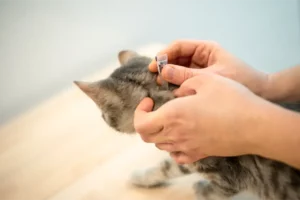
Fleas: Small Parasites That Can Create a Big Problem
Fleas are tiny insects that feed on animal blood.
For many dogs and cats, the first sign of fleas is itching.
You may notice frequent scratching, chewing around the hindquarters, excessive licking, or repeated grooming. Other signs can include red or irritated skin, small scabs, hair loss, or dark specks throughout the coat.
Some pets are particularly sensitive to flea bites.
Flea allergy dermatitis is an allergic reaction to flea saliva that can cause significant itching and inflammation. A sensitive pet may become extremely uncomfortable even when relatively few fleas are present.
Fleas can also transmit tapeworms when a pet accidentally swallows an infected flea during grooming.
Fleas Don’t Necessarily Stay on Your Pet
One of the reasons flea infestations can be so frustrating is that the problem can extend beyond the animal.
Different stages of the flea life cycle can be present in carpeting, pet bedding, furniture, and other areas where animals spend time.
That means finding and treating adult fleas may only address part of an established infestation.
Prevention is often much easier than trying to eliminate a flea population after it has become established inside the home.
Wash pet bedding regularly, vacuum areas where animals spend significant time, and contact your veterinarian if you discover fleas.
If you have multiple pets, ask whether every animal in the household should be treated or protected.
Ticks: Check Your Dog After Utah Adventures
West Jordan pet owners have easy access to plenty of outdoor recreation.
As the weather warms, dogs may join their families for hiking, camping, trail walks, and trips throughout Utah.
Those adventures can also introduce pets to ticks.
Ticks attach to animals and feed on their blood. Certain ticks can transmit infectious diseases while feeding, making prevention and early detection important.
After spending time outdoors, check your dog carefully.
Slowly run your hands over their body and feel for small or unusual bumps.
Look closely around the ears, head, neck, legs, paws, and between the toes. Check underneath collars and harnesses as well.
Ticks can be surprisingly small before they have been feeding for an extended period.
What Happens After a Tick Bite?
Finding an attached tick does not automatically mean your dog will become sick.
However, certain ticks can transmit diseases, and symptoms may not appear immediately.
Depending on the infection, signs can include fever, lethargy, decreased appetite, weakness, joint discomfort, or lameness.
Some dogs may initially show few obvious symptoms.
If your dog develops unexplained changes after hiking, camping, traveling, or experiencing a known tick bite, tell your veterinarian.
Those details can help determine whether testing for tick-borne disease should be considered.
Mosquitoes Bring Heartworms Into the Picture
Fleas and ticks are parasites you may eventually see.
Heartworms are different.
Heartworm disease is transmitted by mosquitoes.
When an infected mosquito bites a susceptible animal, microscopic heartworm larvae can enter the body. In dogs, those larvae can eventually mature into adult worms that primarily affect the heart, lungs, and nearby blood vessels.
The entire process happens internally.
You cannot determine whether a mosquito is infected by looking at it, and your dog may not noticeably react when bitten.
That makes prevention particularly important.
Heartworm Disease May Not Cause Immediate Symptoms
One of the most concerning things about heartworm disease is that an infected dog can initially appear healthy.
Symptoms may become more noticeable as disease progresses.
These can include persistent coughing, decreased stamina, fatigue after normal activity, reduced interest in exercise, appetite changes, or weight loss.
More advanced heartworm disease can significantly affect cardiovascular and respiratory health.
Cats can also develop heartworm-related illness. Heartworms behave differently in cats, but even a relatively small number can contribute to serious respiratory problems.
Prevention is valuable precisely because pet owners cannot rely on visible symptoms to identify early infection.
Does Heartworm Prevention Matter in Utah?
Heartworm risk varies geographically, but Utah pets do not live in a completely closed environment.
Mosquitoes are present, and pets travel.
A dog living in West Jordan may camp elsewhere in Utah, visit another state, travel with family, or spend time in a region where heartworm disease is more common.
Your veterinarian can evaluate your pet’s individual risk and recommend an appropriate heartworm prevention and testing strategy.
Consistency is important with many preventive medications.
If you have missed doses or cannot remember when your pet last received heartworm prevention, contact your veterinary team rather than guessing about what to do next.
What About Intestinal Parasites?
Not every parasite requires a flea, tick, or mosquito.
Dogs and cats can also develop intestinal parasites.
Pets may encounter them through contaminated soil, animal feces, wildlife, prey, or other environmental sources.
Puppies and kittens deserve particular attention because certain intestinal parasites can be acquired very early in life.
Possible symptoms include diarrhea, vomiting, appetite changes, poor growth, weight loss, or a bloated abdomen.
However, some pets with intestinal parasites look completely healthy.
That is why veterinarians may recommend fecal parasite screening even when owners have not noticed visible worms or digestive symptoms.
Puppies and Kittens Need a Parasite Plan From the Beginning
Bringing home a new puppy or kitten comes with a long checklist.
Vaccinations, nutrition, training, socialization, and preventive veterinary visits all deserve attention. Parasite care belongs on that list too.
Young animals can be particularly vulnerable to certain parasites.
Your veterinarian can discuss appropriate fecal testing, deworming, flea and tick protection, and heartworm prevention based on your new pet’s species, age, weight, history, and lifestyle.
Starting these conversations early also creates a preventive-care routine that can continue into adulthood.
Indoor Pets Aren’t Completely Isolated
“My pet stays indoors” is useful information for your veterinarian, but it does not necessarily mean parasite risk is zero.
Mosquitoes can enter homes.
Fleas can be introduced by other pets.
Dogs still leave the house for bathroom breaks, walks, grooming, boarding, veterinary appointments, and travel.
Cats may occasionally escape, spend time on patios, or interact with dogs that regularly go outdoors.
Indoor living can reduce certain exposures, but prevention recommendations should be based on your pet’s entire lifestyle.
Utah’s Seasons Change the Environment
One of the benefits of living in Utah is experiencing distinct seasons.
Parasite activity can change with them.
Spring brings warmer temperatures and increased outdoor activity. Summer means hiking, camping, travel, and greater insect activity. Fall can provide ideal weather for spending even more time outside with dogs.
Winter may reduce certain outdoor parasite risks, but it does not necessarily eliminate every concern.
Fleas can survive in protected indoor environments, and pets may travel to warmer climates during the colder months.
Before starting or stopping a preventive medication because the season changed, ask your veterinarian what is appropriate for your individual pet.
Make Your Home Part of the Prevention Strategy
Parasite prevention does not stop at the veterinary hospital.
There are simple things you can do at home.
Wash pet bedding regularly and vacuum areas where your animals spend significant time.
Promptly remove pet waste from the yard.
During mosquito season, eliminate unnecessary standing water from buckets, outdoor containers, toys, and other objects.
After hiking or camping, perform a tick check before your dog settles back into the house.
If your cat hunts or your dog frequently interacts with wildlife, mention that behavior during veterinary visits.
And before traveling, check that your pet has enough preventive medication for the entire trip.
What Should You Ask at Your Pet’s Next Wellness Visit?
Parasite prevention can feel complicated because there are many products and recommendations available.
Your next wellness appointment is a good opportunity to simplify things.
Ask your veterinarian which parasites your pet is most likely to encounter, whether flea and tick prevention is appropriate, how frequently heartworm testing should be performed, whether your pet needs heartworm prevention, and how often fecal parasite screening is recommended.
Also tell your veterinary team about upcoming travel.
A camping trip, road trip, move, or extended vacation can change your pet’s exposure and may affect preventive recommendations.
One Prevention Plan Does Not Fit Every Pet
Parasite products come in different forms and protect against different organisms.
Some target fleas and ticks. Others prevent heartworms or certain intestinal parasites. Combination medications may address multiple concerns.
The best choice depends on the individual pet.
Age, species, weight, health history, medications, lifestyle, travel, and environmental exposure can all matter.
Never assume that a parasite product used for one pet is appropriate for another.
This is especially important in households with both dogs and cats. Certain flea and tick products intended for dogs can be dangerous to cats.
Use parasite medications only according to veterinary instructions.
Know When Something Is Wrong
Contact your veterinarian if your pet develops persistent scratching, unusual skin irritation, unexplained hair loss, an attached tick, vomiting, diarrhea, coughing, decreased stamina, unusual fatigue, appetite changes, weakness, or unexplained weight loss.
These symptoms do not automatically mean your pet has parasites.
Many other medical conditions can cause similar changes, so proper veterinary evaluation is important.
More serious symptoms, including difficulty breathing, collapse, extreme weakness, very pale gums, seizures, or rapidly worsening illness, require prompt veterinary attention.
Build Prevention Into Your Pet’s Routine
The best parasite prevention strategy is one you can maintain consistently.
Keep preventive medications on schedule. Make tick checks part of your post-hike routine. Keep your home and yard clean. Stay current with wellness examinations and veterinarian-recommended testing.
Most importantly, revisit your pet’s prevention plan when their lifestyle changes.
A puppy becomes an adventurous adult dog. An indoor kitten discovers the backyard. A family starts camping more frequently. A pet begins traveling across state lines.
As life changes, preventive care should change with it.
Jordan Ranch Veterinary Hospital is here to help West Jordan families build a strong foundation of preventive care for their dogs and cats.
If you have questions about fleas, ticks, mosquitoes, heartworms, intestinal parasites, or your pet’s overall preventive-care needs, schedule an appointment with Jordan Ranch Veterinary Hospital. Your veterinary team can consider your pet’s age, lifestyle, health history, and everyday activities to help determine the right approach.
Parasites may be tiny, but preventing them deserves a permanent spot on your pet’s health checklist.